
Experts suggest the flaw likely stems from the use of URL shortening services, which allow digital links to be manipulated or hijacked after the papers are printed.

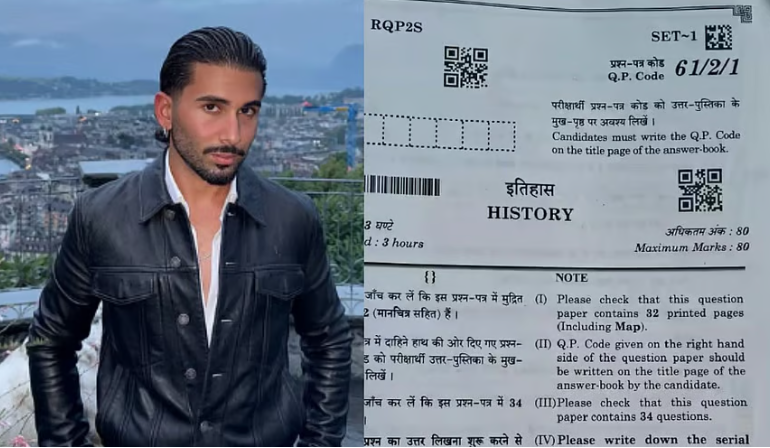
The sanctity of India’s national examination system is being questioned following a bizarre technical blunder during the CBSE Class 12 History board exam held on March 30, 2026. A QR code intended to provide students with historical resources instead redirected them to a search page for social media influencer Orhan Awatramani, popularly known as “Orry.”
The incident occurred in Set 3 of the History question paper. While exams are traditionally seen as a benchmark for a nation’s intellectual values, critics argue this error reflects a deep decline in educational standards. This is not an isolated event; reports indicate that a similar “Rickroll” prank occurred during the Class 10 Mathematics exam on March 10, 2026.
Experts suggest the flaw likely stems from the use of URL shortening services, which allow digital links to be manipulated or hijacked after the papers are printed.
Orry Responds: “I am Part of Indian History”
The influencer’s reaction has added a layer of irony to the controversy. Initially believing it was a prank, Orry reportedly asked his assistant, “Did we pay for this?.” Upon realizing the link was genuine, he posted to social media claiming he is now “officially a part of Indian history,” comparing the moment to “peak fame.” He further joked that being in a CBSE paper was a bigger achievement than being featured on a firework packet with actress Ananya Panday.
Safety Concerns and Ethical Questions
Beyond the embarrassment for the board, the incident raises serious concerns regarding:
- Digital Security: Malicious actors could potentially use such flaws to redirect students to sites that compromise their personal data.
- Inappropriate Content: There is a risk of students being exposed to misleading or obscene material through unverified links.
- Educational Values: Educators worry that featuring “hollow” social media fame in a national exam diminishes the respect students have for the academic process.
CBSE’s Stance
While the Central Board of Secondary Education (CBSE) claims that internal investigations are underway and security measures are being tightened, the recurring nature of these “technical pranks” has put a significant question mark on the board’s administrative credibility.
As the digital integration of education continues, calls are growing for the board to ensure that the “light of knowledge” is not replaced by “misleading QR codes.”