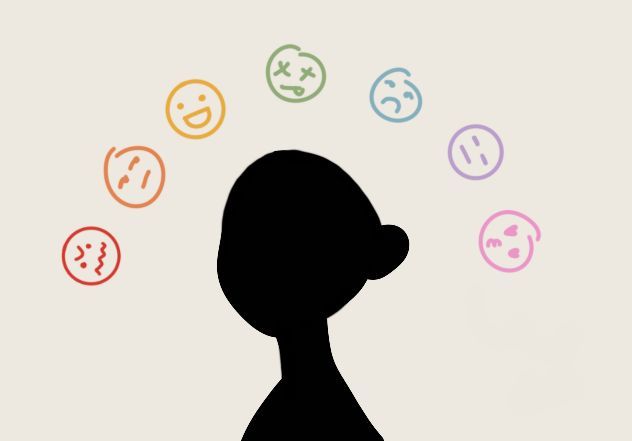


Often perceivers may form only an impression about the target, but if the situation requires it, they may also make attributions to the target.

Every social interaction begins with the formation of an impression about the persons we meet. Public figures and applicants appearing for job interviews are good examples that show it is very important to make a good impression on others. The process can be broadly categorized into two parts:
- Impression formation
- Attribution
The person who forms the impression is called the perceiver. The individual about whom the impression is formed is known as target. Perceiver responds to given information, about the qualities of the target.
Significance of Attribution
In attribution, the perceiver goes towards explaining why the target behaved in a particular way. Attaching or assigning a cause for the target’s behaviour is the main idea in the attribution. Often perceivers may form only an impression about the target, but if the situation requires it, they may also make attributions to the target.
Impression Formation and Attribution are influenced by:
- The nature of information available to the perceiver.
- Social schemas in the perceiver
Personality Characteristics of the Perceiver
- Situation factors
- Significance of impression formation
The process of impression formation consists of the following processes:
- Selection: We take only small information in consideration about what type of person the target is.
- Organisation: The selected information is combined in a systematic way.
- Inference: We draw a conclusion about what kind of person the target is.
A quick read to ways of Implementing a good Impression on the Perceiver
- Make eye contact, communicate with confidence and talk in a respectful manner
- Do not talk about any personal matters like sex, religion, caste etc. It leads to negative regard and crosses the line of dignity.
- Start your words with the ending words of perceiver. For example a person next asks what is your favorite hobby, answer it using my favorite hobby.
- End the conversation with a smile and a handshake. Greet well and say words like ‘hope to or wish to see you again.’