
Throughout the transition phase, imports will be limited to 250,000 vehicles each year. The EU mentions that this action could change India’s luxury automobile sector.

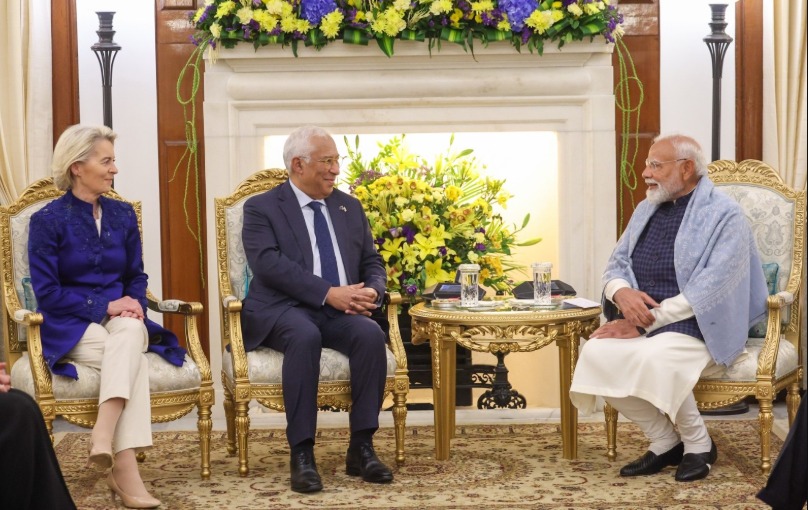
India and the European Union have finalized a landmark Free Trade Agreement during the 16th European Union-India Summit in New Delhi, with European Commission President Ursula von der Leyen and European Council President Antonio Costa announcing the ‘mother of all trade deals’.
The figures indicate a clear expectation of extensive tariff reductions across multiple sectors, which could dramatically alter India’s import environment in the coming decade.
The key aspect of the agreement pertains to the automotive industry. India plans to reduce tariffs on European cars to 10 percent, a significant drop from the existing effective duty that can be as high as 70 percent. Throughout the transition phase, imports will be limited to 250,000 vehicles each year. The EU mentions that this action could change India’s luxury automobile sector.
Nevertheless, the accord goes well beyond vehicles. Tariffs on more than 90 percent of EU exports to India will be lowered or entirely eliminated. The European Commission predicts the agreement might increase EU exports to India twofold by 2032 and potentially save around 4 billion euros each year in customs fees.
Tariffs on machinery (now as high as 44 percent), chemicals (up to 22 percent), and pharmaceuticals (about 11 percent) will mostly be eliminated. Aircraft and spacecraft are anticipated to obtain nearly complete tariff exclusions.
Chemical products will experience extensive duty elimination, while nearly 90 percent of optical, medical, and surgical devices will be exempt from duties, which may reduce healthcare expenses in India.
The food and drink industry will also undergo significant transformations. India intends to lower tariffs on European wines to 20–30 percent, spirits to 40 percent, and beer to 50 percent. Tariffs on olive oil, margarine, and vegetable oils from the EU will be lowered or removed. Medical devices are also significant beneficiaries, as tariffs on most products are poised to decrease to zero.
To ease the transition, the EU has pledged 500 million euros over the next two years to support India in cutting greenhouse gas emissions and boosting climate-friendly investments. In general, the EU says the trade agreement will open India’s market more than ever before, strengthening Europe’s position in one of the world’s fastest-growing consumer economies.
At the same time, India is confronted with the task of readying its local industries such as automotive, chemicals, machinery, and medical devices for heightened competition from European companies.