

Victims are typically contacted via phone or video call and falsely informed that their Aadhaar card, bank accounts, or mobile numbers have been linked to severe criminal syndicates, money laundering, or narcotics trafficking.

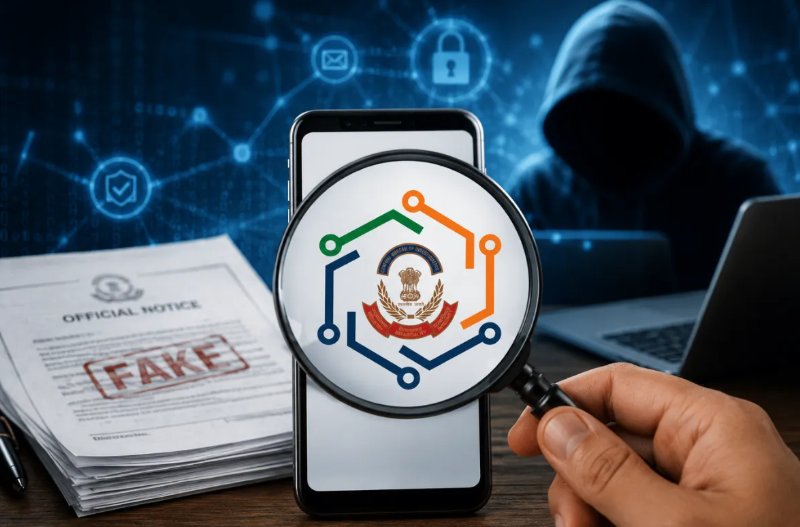
Keeping an eye on the rising menace of cyber fraud, the Central Bureau of Investigation (CBI) has launched an Artificial Intelligence (AI) verification system named ‘ABHAY’. The tool is specifically designed to help citizens verify the authenticity of official communications and dismantle the psychological operations run by cybercriminals under the guise of “digital arrests.”
The announcement comes amidst a nationwide surge in online scams where fraudsters exploit deepfakes, AI voice cloning, and forged government credentials to extort billions of rupees from unsuspecting victims.
What is “Digital Arrest?”
A “digital arrest” is a fraudulent tactic with zero legal standing in Indian jurisdiction. Cybercriminals pose as high-ranking officials from premier law enforcement or regulatory bodies such as the CBI, Enforcement Directorate (ED), Police, or the Reserve Bank of India (RBI).
Victims are typically contacted via phone or video call and falsely informed that their Aadhaar card, bank accounts, or mobile numbers have been linked to severe criminal syndicates, money laundering, or narcotics trafficking. Under the fabricated pretense of a “digital arrest,” victims are ordered to stay on a continuous video call, isolated from their families, and are threatened into transferring massive sums of money as “clearance funds” or “bail.”
Supreme Court Justice Surya Kant recently highlighted this growing challenge during the 22nd DP Kohli Memorial Lecture, expressing deep concern over criminals utilizing advanced technology to target vulnerable demographics. Investigative data reveals that highly educated individuals and senior citizens who hold substantial life savings but lack technical familiarity with modern cyber threats—are the primary targets of these syndicates.
How the ABHAY AI Tool works?
Recognizing that tech-savvy criminals are now hand-delivering or emailing highly realistic fake legal notices to victims’ doorsteps, the CBI designed ‘ABHAY’ as a real-time defense mechanism.
Instead of panic-buying their way out of a fake situation or traveling to police stations out of fear, citizens can now verify documentation directly through the central agency’s portal.
Step-by-Step Verification Process:
- Access the Portal: Visit the official Central Bureau of Investigation (CBI) website.
- Locate the Tool: Click on the dedicated ‘ABHAY’ logo present on the homepage.
- Secure Login: Enter your mobile number and complete the mandatory One-Time Password (OTP) verification.
- Upload Document: Upload a scanned copy or photograph of the suspicious notice or warrant received.
- AI Verdict: The advanced AI chatbot cross-references the document against the CBI’s real-time internal databases and instantly flags whether the document is authentic or a forgery.
Law Enforcement Advisory
The CBI has reiterated that no Indian law enforcement agency or government body initiates arrests, conducts interrogations, or demands financial settlements over phone or video calls.
“If an officer demands money online to clear your name, it is a scam,” the agency stated. Legal arrests in India require physical procedures and official personnel present at the scene.
The agency has urged citizens to immediately terminate suspicious calls, report fraudulent numbers to the National Cyber Crime Helpline at 1930, and use the ABHAY tool to cross-check any documentation. Furthermore, the CBI warned that severe legal action will be taken not only against the primary scammers but also against bank insiders and telecom facilitators who aid cybercriminals in operating fraudulent accounts.