
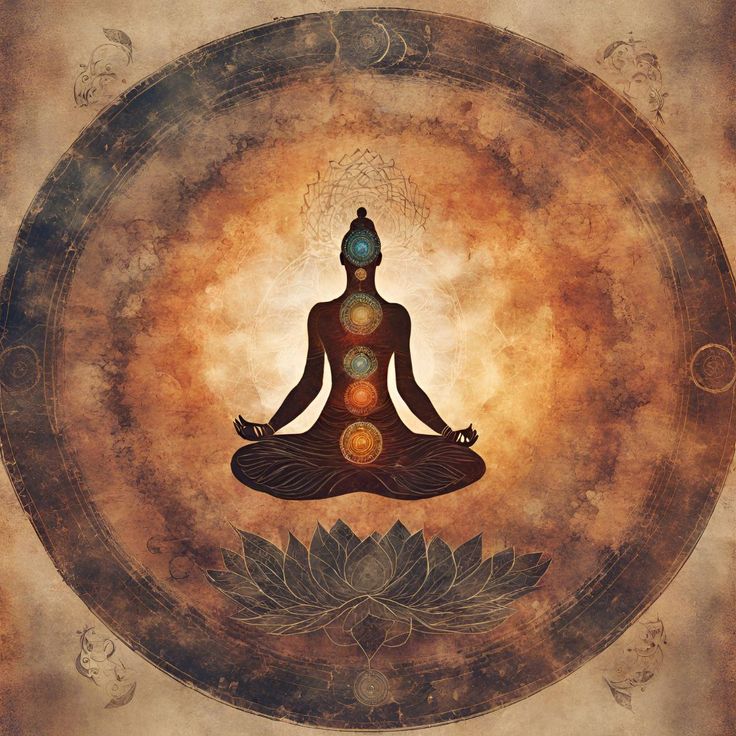
The subtle human body according to ayurveda consists of 72000 nadis and 114 chakras that work as energy channelising objects. Out of these nadis and chakras, there exists three most important nadis which run a human nervous system.

Meditation -the sacred art of peace has its history back in the Upanishads. Lord Shiva, the divine and destroyer was a ‘Yogi’ means the one who practices yog means yoga or the one who meditates. He is often seen in the meditation posture. Lord shiva had this power to maintain the nature cycle to safeguard the universe. Shiva’s meditation is his meeting with “Par- Brahma” so he is called yogishwara.
He controls all the forces of nature by his dhyana. From that time, meditation has had a great significance in most of the religions; Jainism, Bhuddhism, Taoism and many others. Meditation is getting alert, self focused, self aware, having discipline and clarity in mind which automatically leads to a healthy and peaceful life.
Science behind the Meditation
The subtle human body according to ayurveda consists of 72000 nadis and 114 chakras that work as energy channelising objects. Out of these nadis and chakras, there exists three most important nadis namely; “Ida Nadi, Pingla Nadi and Sushmna Nadi” which run a human nervous system. The Ida is the feminine and lunar part whereas the Pingala is masculine, the solar part and Sushmna is the strength.

Ways of Meditating
Meditation is a peaceful practice, any way that soothes one’s inner self can be of a greater significance depending upon an individual. The modern ways of meditating include:
- Meditation with Music: This can actually relieve one’s whole day’s stress.
- Mantra Chants: Using any words and mantra to chant is also a great way of meditating. The rule here is that the chant should be placed with a force from the stomach and not from the throat, this helps channelise the energy.
- Calm Seating: Finding a zero chaos place and detaching oneself from the world for a shorter span of time can wipe away a lot of clutter from the brain.
All these are modern and easy ways of meditating that one should for sure practice while managing their daily lives.
A quick guide to the actual Ancient Meditation
To meditate in the proper way, one should perform Pranayama as it refers to breathing techniques.
Step 1: Block the right nostril. Inhale from the left nostril, exhale from the right one.This energizes the left brain hemisphere and activates energy via Ida Nadi. It helps to calm down and work mindfully as the Ida rules mental processes.
Step 2: Block the left nostril. Inhale from the right nostril , exhale from the left one. This helps energize the right part of the nervous system and channelise energy via Pingala Nadi. It helps an individual to perform tasks more productively as the Pingala rules efficacy.
Final step: Repeat this process again and again till you start feeling relaxed. In the initial days, the brain feels more conflicted as the body is not used to meditation but slowly and steadily, the things start getting clear and the inner self feels an energy .
The Ida and Pingala when meet at center, activate Ajna chakra (the forehead) via Sushma Nadi, the centre part of the body, also where the third eye of Shiva opens.