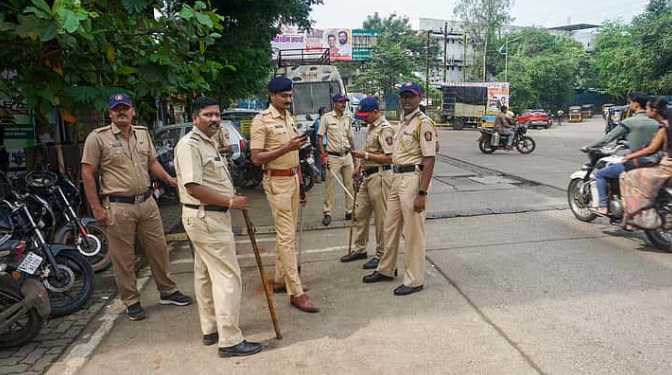


Under NARI 2025, a total number of 12,770 women are surveyed across 31 Indian cities. Such was done to check the measurement of women’s experience on the Safety Scale. As per the reports, 60% women felt safe in their cities. However, 40% mentioned their results as “not so safe” or “unsafe.”

The National Commission for Women has released NARI 2025, a National Annual Report & Index on Women’s Safety. This report enlists the data recorded by surveying women on their safety ranks across India.
The National Commission for Women reportedly is led by Chairperson Vijaya Kishore Rahatkar. This commission aims at promoting women’s rights and their well-being.
Highlights to The NARI 2025 Report
Under NARI 2025, a total number of 12,770 women are surveyed across 31 Indian cities. Such was done to check the measurement of women’s experience on the Safety Scale.
In simple words, the survey was conducted giving five options to score the safety. These five options include-
- Much Above the Standard
- Above the Standard
- At the Standard
- Below the Standard
- Much Below the Standard
While the results are out, the ratio reportedly has come out as 60:40. As per the reports, 60% women felt safe in their cities. However, 40% mentioned their results as “not so safe” or “unsafe.”
While the results were broken down, it came into notice that public harassment is the key factor behind 40% of unsafe responses. The outcome revealed that only one in three victims lodge a formal complaint on harassment, having known that their issues may not be resolved and justice may not be delivered.
The statistics demonstrate that 75% of women did not believe that the authorities would make a step forward towards resolving the cases. The results even highlighted that only 22%of whole women related incidents are reported formally, from which merely 16% are adressed.
Women even claim neighborhoods and public transport as harassment hotspots with the percentage of 38 and 29 respectively.
Notably, the Safely scale indicates 91% of women (respondents) reported the office environment safe. However, half of them are unsure of whether their office policies include POSH (Prevention of Sexual Harassment) or not.
Else, the ones who were aware of POSH Act highlighted that there is a need to raise the awareness regarding this.
The Safest and Least Safe Cities: Reports
Results as well revealed of the safest and least safe cities. The details to there are as follows–
| Sr. No. | The Safest Cities | Least Safe Cities |
| 1. | Kohima | Patna |
| 2. | Vishakhapatnam | Jaipur |
| 3. | Bhubaneswar | Faridabad |
| 4. | Aizawl | Delhi |
| 5. | Gangtok | Kolkata |
| 6. | Itanagar | Srinagar |
| 7. | Mumbai | Ranchi |
According to the reports, cities with higher safety ranks have certain factors that make them stand out. These factors include; enhanced gender equity, proactive policing, Women-friendly infrastructure, civic participation and positive social norms towards women. However, cities with lower safety rank hold patriarchal norms, poor and unsafe infrastructure including public transport. This also includes weak enforcement.
What does the report suggest?
As there have been many of the factors included, the report NARI 2025 casts light on broader definitions of women safety. It states that the bar of safety can not only be enhanced by focusing solely on physical protection. However, there is a need for a broader vision.
Along with physical protection, there needs to be added, physical, financial as well as digital security. These all collectively will ensure women safety with broader sight. This would raise women’s access to mobility, opportunity and dignity.