
The Indus Valley Civilisation was the first to witness the great Indian art , the history of Yoga started in the Indus Valley Civilisation. After this, it existed in Rig Vedas.

Yoga is the ancient Indian practice used as physical and mental workout. It was originated in India. The word Yoga has been derived from “yuj” (the sanskrit word). It was established more than 5000 years ago by the creators of life , The Saptrishis.
The Indus Valley Civilisation was the first to witness the great Indian art , the history of Yoga started in the Indus Valley Civilisation.After this, it existed in Rig Vedas. During this period yoga was all about discipline and control. Next up, yoga went to upanishads and after Upanishads it was introduced in Patanjali where it made a significant growth by introducing yoga sutras and the eightfold path of yoga. In modern contexts,Swami Vivekananda played a role of founder of Yoga. In the medieval scenario,the forms and types of yoga such as hatha yoga were formed.
Forms of Yoga
Karma yoga: This type of yoga provides the spiritual awakening there are no fixed yoga poses in this type of yoga. It helps relieve stress and increase the focus. It is said that a wise king performed karma yoga and he never expected any type of praise as he was so emotionally balanced. This type of yoga corrects the attitude towards works. A person who works on daily basis should practice it everyday.
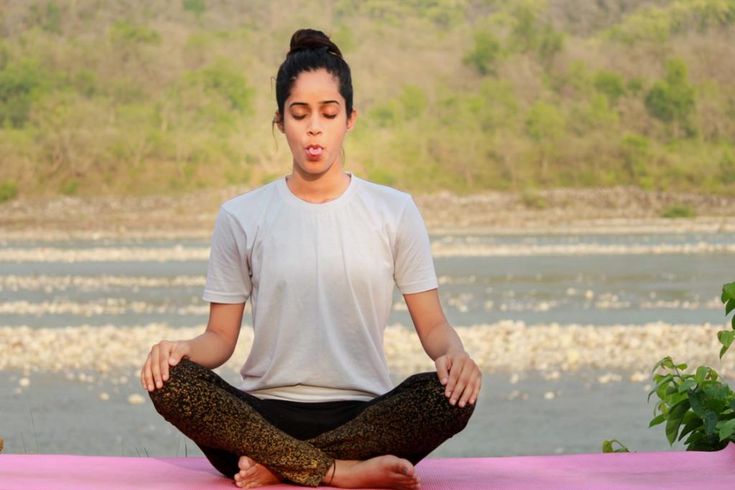
Raja Yoga: The main focus of Raja yoga is on meditation. Ancient sages used to perform Raja Yoga in order to attain peace, calm and focus on mind control. The most common poses included Padmasana, it is also known as lotus pose. The breath awareness is also the part of Raja yoga. The Samadhi and Dhyana mudra is the main ancient highlight of Raja yoga, also the eight limbs were introduced.
Hatha Yoga: This yoga includes all the physical types of yoga. Hatha yoga is the yoga of asanas and pranayama. The common poses of Hatha yoga is Shavasana,Trikonasana, Tadasana, Bhujangasana. Hatha yoga increases flexibility and also strengthens the body up and calms down the nervous systems.
Bhakti Yoga: It is bhakti yoga which made it possible for normal people to attain the spiritual awakening and seek the presence of God. Bhakti yoga includes singing hymns, praying God and chanting the name of divine. Bhakti yoga is done by choosing one deity and concentrating on them. Meera bai was the first woman to practice Bhakti Yoga. She sang hymns everyday with all her devotion and love for Lord Krishna and also attained the presence and godly state after practicing Bhakti Yoga. The main essence of bhakti Yoga is love and faith.
Jnana Yoga: It includes padmasanaand vajarasna. Jnana Yoga is done to attain the self realization. Once upon a time , there was a student who questioned his teacher asking about his existence that who am i? The teacher asked him that ask this question to your own self. Jnana yoga is all about questioning yourself and having self realisation. The advantages of this yoga includes lateral thinking, confidence and self realization and development of self esteem.
Kundalini Yoga: This yoga centers the main focus on spiritual awakening. The practices that are included in Kundalini yoga is pranayama (breathing techniques). It includes spinal stretches. Meditation and chanting of “satnam” is done. Various mudras are descried for the overall wellbeing of body. It balances the chakras and provides emotional stability.
Ashtang Yoga: yoga is not about stretching or physical practices, it is the whole of life, it is the path of life.”Asht” means eight and as a whole it means the eight right steps namely meditation, discipline, behaviour, posture, breath, focus and the right ethics. Ashtangyoga is the eightfold path.